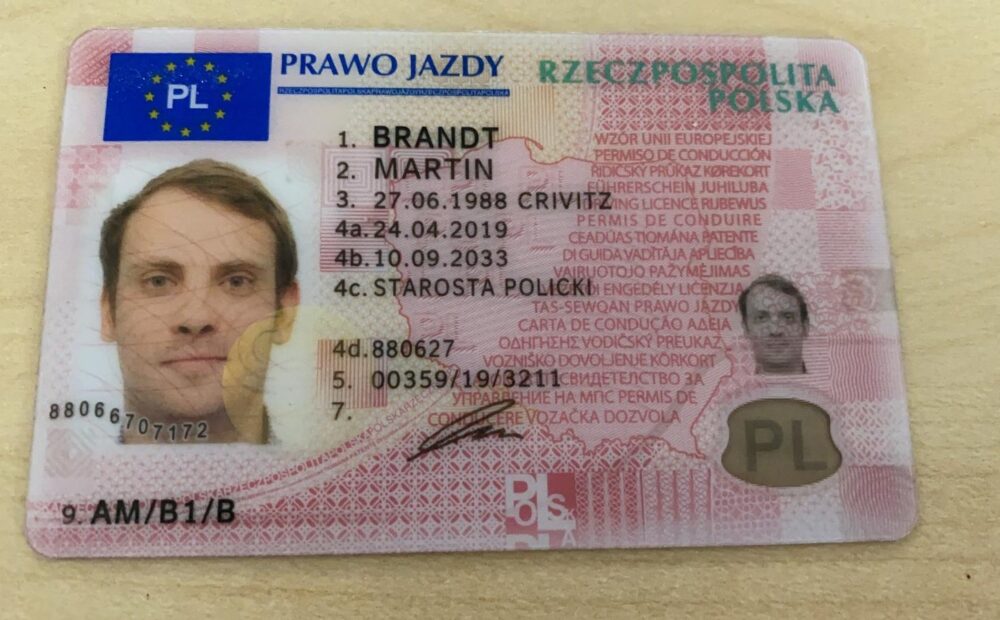
The Perilous Price of Shortcuts: Why "Driving License for a Fee" Endangers United States All
In the pursuit of convenience and often fueled by a neglect for due procedure, the perilous practice of getting a "driving license for a cost" continues to pester many societies around the world. This illegal shortcut, where people pay to bypass genuine screening and training requirements, presents a grave risk to road security, undermines the stability of licensing systems, and brings extreme legal consequences for all involved. While the attraction of a simple route may appear appealing to some, the long-term effects of this illegal practice are significant and destructive, impacting not simply individuals but the whole neighborhood.
This short article looks into the world of "driving licenses for a cost," checking out the reasons behind its presence, the risks it presents, the ethical and legal implications, and crucially, why obtaining a license through genuine channels is not simply a guideline to follow, however a crucial dedication to personal and public safety.
The practice of paying for a driving license, frequently described as "purchasing a license," can manifest in different types. It can range from bribing authorities at licensing centers to engaging with intermediaries who assure to deliver a license without needing the candidate to undergo the mandatory driving exam or understanding evaluations. These plans capitalize on loopholes within the system, exploiting corruption and inefficiency to provide a relatively uncomplicated path to legal driving status.
The Allure of the "Easy Route": Why Individuals Seek Paid Licenses
A number of aspects add to the demand for "driving licenses for a fee." For some, it stems from an uncertainty in their driving abilities or an objection to invest the time and effort needed for proper driving education. The possibility of facing driving tests, both theoretical and practical, can be daunting. Individuals may view these tests as extremely strenuous or feel unprepared, leading them to look for an easier, albeit illegal, alternative.
In addition, in some regions, administrative procedures for getting a license can be notoriously slow and cumbersome. The perceived hassle of browsing paperwork, long queues, and several sees to licensing offices can push people towards seeking a quicker, albeit dishonest, service. jak zdobyć prawo jazdy kategorii b of a license delivered with minimal effort and within a brief timeframe becomes an appealing proposition, specifically for those with time restraints or a general aversion to governmental procedures.
However, possibly the most significant factor cultivating this practice is the presence of corruption within the licensing system itself. In areas where corruption is widespread, officials may be happy to overlook regulations and concern licenses in exchange for financial rewards. This develops a black market for driving licenses, fueled by those seeking to prevent the genuine process and those ready to exploit the system for personal gain.
The Grave Consequences: Risks and Repercussions of Illegally Obtained Licenses
The implications of getting a driving license for a cost are profoundly serious and extend far beyond private unlawful acts. The most immediate and worrying consequence is the increased danger to roadway safety. Drivers who acquire licenses without correct training and screening are basically unqualified to run lorries safely. They lack the needed skills, knowledge of traffic laws, and understanding of accountable driving behavior.
This shortage equates directly into a greater probability of accidents. Unqualified drivers are most likely to make mistakes in judgment, react poorly to roadway hazards, and lack the competence to deal with difficult driving circumstances. The existence of such drivers on the roads elevates the risk for all roadway users, consisting of pedestrians, cyclists, and other drivers who are legally accredited and trained.
Beyond the instant threat to life and limb, obtaining a license unlawfully brings considerable legal repercussions. Both the person who buys the license and those who assist in the unlawful transaction are committing serious offenses. Penalties can vary from hefty fines and license revocation to imprisonment, depending on the specific legal framework and the intensity of the violation. Additionally, if an accident happens involving an unlawfully licensed motorist, insurance coverage claims may be invalidated, leaving the specific personally responsible for damages and facing even more serious legal consequences.
On a wider social level, the practice of "driving licenses for a charge" wears down public trust in institutions and undermines the rule of law. It signifies a systemic failure in the licensing procedure and promotes a culture of corruption and impunity. When people can bypass legal requirements through bribery, it weakens the very fabric of a just and equitable society.
The Legal and Ethical Imperative: Earning Your License the Right Way
Acquiring a driving license through legitimate channels is not merely about abiding by guidelines; it's about accepting a basic responsibility for roadway safety and adding to a safer neighborhood for everybody. The process of learning to drive, undergoing training, and passing driving tests is developed to make sure that all certified drivers have the minimum competency required to run cars securely and properly.
The genuine process usually includes the following crucial actions:
- Obtaining a Learner's Permit: This is the initial step, requiring people to pass a theoretical knowledge test showing their understanding of traffic laws and road signs.
- Enrolling in Driving School: Structured driving lessons from licensed trainers offer essential useful training, covering automobile control, driving maneuvers, and safe driving techniques.
- Practical Driving Test: This evaluates the applicant's ability to operate a vehicle safely in real-world driving conditions, showing proficiency in driving abilities and adherence to traffic guidelines.
- Knowledge Test (if suitable): Some jurisdictions may require an additional knowledge test closer to the dry run to reinforce theoretical understanding.
- License Issuance: Upon successfully completing all required tests, the individual is granted a driving license, signifying their legal authorization to operate a vehicle.
By diligently following these steps, individuals not just acquire the legal right to drive however likewise get necessary abilities and knowledge that add to more secure driving practices and lowered accident risks. It's a commitment to individual development, roadway security, and ethical conduct.
Navigating the System Legally and Avoiding Scams
To guarantee you get a driving license legally and prevent falling prey to scams assuring "licenses for a charge," it's vital to be alert and informed. Here are some suggestions:
- Deal Directly with Official Licensing Authorities: Always approach the main federal government licensing firm in your location for details and application procedures. Prevent intermediaries or unofficial channels.
- Pick Reputable Driving Schools: Select driving schools that are formally signed up and acknowledged by the licensing authority. Validate their credentials before registering.
- Be Wary of Unsolicited Offers: Be extremely suspicious of anyone who provides to provide a driving license quickly and easily for a charge, particularly if they claim to bypass tests or requirements. These are often fraudulent.
- Document Everything: Keep records of all interactions, payments, and documents sent throughout the licensing procedure.
- Report Suspicious Activities: If you come across anybody offering "licenses for a cost" or presume corrupt practices, report it to the pertinent authorities.
Combating Corruption and Promoting Transparency in Licensing Systems
Attending to the source of "driving licenses for a fee" requires a multi-pronged technique concentrated on combating corruption and boosting the performance and openness of licensing systems. This includes:
- Strengthening Oversight and Accountability: Implementing robust oversight mechanisms within licensing firms to avoid and discover corrupt practices.
- Using Technology: Employing innovation to simplify procedures, decrease human intervention, and boost transparency in license applications and screening. Online application websites, digital record-keeping, and automated screening systems can help decrease chances for corruption.
- Public Awareness Campaigns: Educating the public about the dangers of "licenses for a fee," the value of genuine licensing procedures, and the legal repercussions of engaging in prohibited practices.
- Stricter Enforcement and Penalties: Implementing stricter penalties for both those who offer and those who look for to obtain licenses unlawfully, sending out a clear message that such actions are unacceptable and will be badly punished.
- Improving Efficiency of Legitimate Processes: Streamlining administrative procedures and decreasing governmental difficulties in legitimate licensing to decrease the perceived requirement for shortcuts.
Conclusion: Driving Safely Starts with Licensing Legally
The attraction of a "driving license for a charge" may seem appealing to those looking for a quick and easy route to driving advantages. However, this apparently convenient shortcut comes at an incredible cost-- the cost of compromised roadway safety, deteriorated public trust, and prospective legal destroy. The threats postured by unqualified drivers browsing our roadways are undeniable, and the ethical ramifications of bypassing legal procedures are profound.
Acquiring a driving license through genuine channels is not just about adhering to rules; it's an essential commitment to personal responsibility and the security of our neighborhoods. By focusing on proper training, rigorous testing, and ethical conduct, we add to more secure roads for everybody and support the integrity of the systems created to safeguard us. Let us select the course of legality and duty, guaranteeing that every driver on the road has actually earned their license through legitimate methods, cultivating a culture of safety and regard for the law.
Frequently Asked Questions (FAQs)
Q: Is it ever appropriate to pay someone to expedite the driving license procedure lawfully?A: No. Genuine driving license procedures run through official channels and designated procedures. Any deal to expedite the process for a cost outside of these authorities channels is most likely dishonest or prohibited, and might be a rip-off.
Q: What are some common techniques used in "driving license for a fee" rip-offs?A: Scammers may claim to have connections within licensing firms, offer to bypass tests, or guarantee to deliver a license without any effort from the candidate. They typically require upfront payments and may disappear after receiving the cash.
Q: How can I report someone offering "driving licenses for a cost"?A: You should report such people to the official licensing authority in your region or to police accountable for combating corruption and scams.
Q: What should I do if I am used a "driving license for a charge"?A: Immediately refuse the deal. File the interaction and report it to the suitable authorities. Do not engage additional or supply any personal info or payment.
Q: What are the penalties if I am caught with a driving license obtained illegally?A: Penalties vary depending upon the jurisdiction, however can consist of substantial fines, license revocation, and even imprisonment. Furthermore, your insurance may be invalidated in case of a mishap, leaving you financially and legally susceptible.